Where creativity, curiosity and play are at the core of research, education, and practice
The transformative potential of arts-based approaches is at the heart of what we do.
The arts represent a different way of knowing, of practicing and of learning. Our laboratory is about embedding the arts into research, education and practice as they relate to the health and rehabilitation sciences broadly, and to occupational therapy more specifically. The Creative Collaboratory’s focus is methodological, in that our collective interest is in arts-based and narrative approaches to knowledge production and mobilization. And we bring these methods to bear in studies and in classrooms, but we are also very interested in how the arts inform clinical practice and the work lives of clinicians.
Moreover, we’re interested in not only new ways of innovating, exploring , enlivening and learning but about addressing important questions about the ways in which the arts inform our understanding of how knowledge is generated and taken up.
“Arts-based methods enable people to come together to learn, to make, to express and to think creatively and, therefore, to think differently through a range of art forms.”
(Passila & Owens 2023 )
Why Occupational Therapy and The Arts
Occupational therapy is rooted in the arts. At the end of the nineteenth century, creative occupations (art, music, horticulture) attracted people experiencing the disruption accompanying industrialization. Judith Freiedland traced the history of Occupational Therapy in Canada and in her book, Restoring the Spirit she notes that “ There was something about working with one’s hands, mind, and heart that was thought to bring a special benefit—a new dimension to life that would enhance spiritual well-being.” Many asylums in the late 1800s were incorporating art, music, dance and gardening as a way to raise morale. Fast forward to now, post COVID, living in the digital age where we’re so easily connected and yet distant from one another, where the need for purpose, social interaction, community and meaning is greater than ever. Many people are searching for shared communities through choirs, dance, urban sketching, photography, sports, amongst others. When people are freely able to choose activities that attract and engage them, they experience more fulfilment, restoration and connection, as demonstrated by the work of Roberts and Bennigan (2018)..
The object of all human life is play. Earth is a task garden. Heaven is a playground
G.K Chesterto
Our core focus is combining critical social science with health research and the arts to foster experiential and embodied inquiry. These creative practices aim to leverage the power of collective learning and artmaking. We attend to structural/systemic issues that shape the lives of people across a range of contexts, identities and social positions. We work with diverse groups, which include: people with lived experience (e .g., mental health issues, intellectual and developmental disabilities, housing precarity, chronic illness, young parenthood, infectious diseases), health care professionals and trainees, and policymakers.
Arts-based approaches create inclusive research spaces and allow us to explore issues of health and social equity in engaging ways. These methods help disrupt power relationships between researchers and participants, expanding and enlivening perspectives.
Our lab offers two creative pathways of understanding these power differentials.
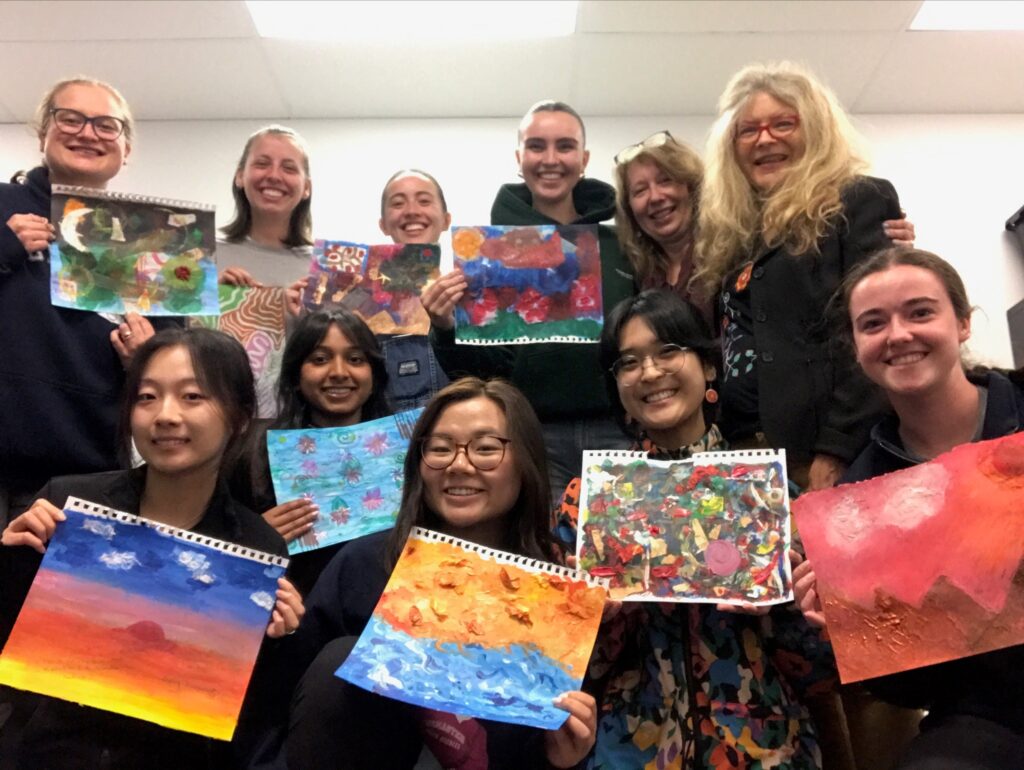
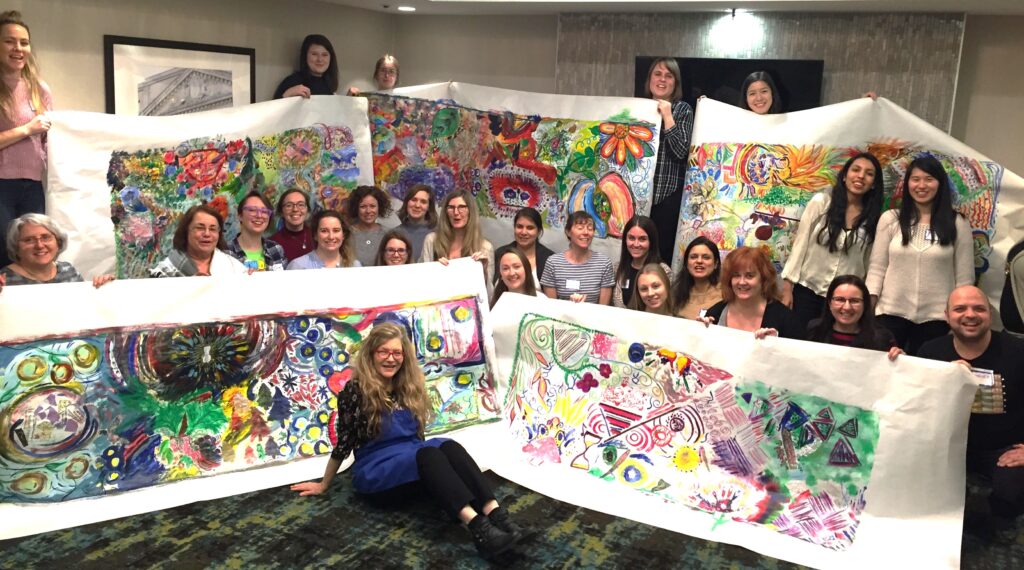
(Pending name) Arts-based research: By engaging in artmaking in multiple forms (drawing, painting, photography, collage, songwriting, poetry, etc.) to understand how to co-create capacity and agency, to challenge assumptions and status quo, and to create new knowledge in non-linear ways.
Brokered dialogue is a film-based approach to engaging people with diverse interests in collective critical thinking. We explore issues and create dialogue in situations of controversy, complexity or where dialogue is not happening at all.
Placeholding:
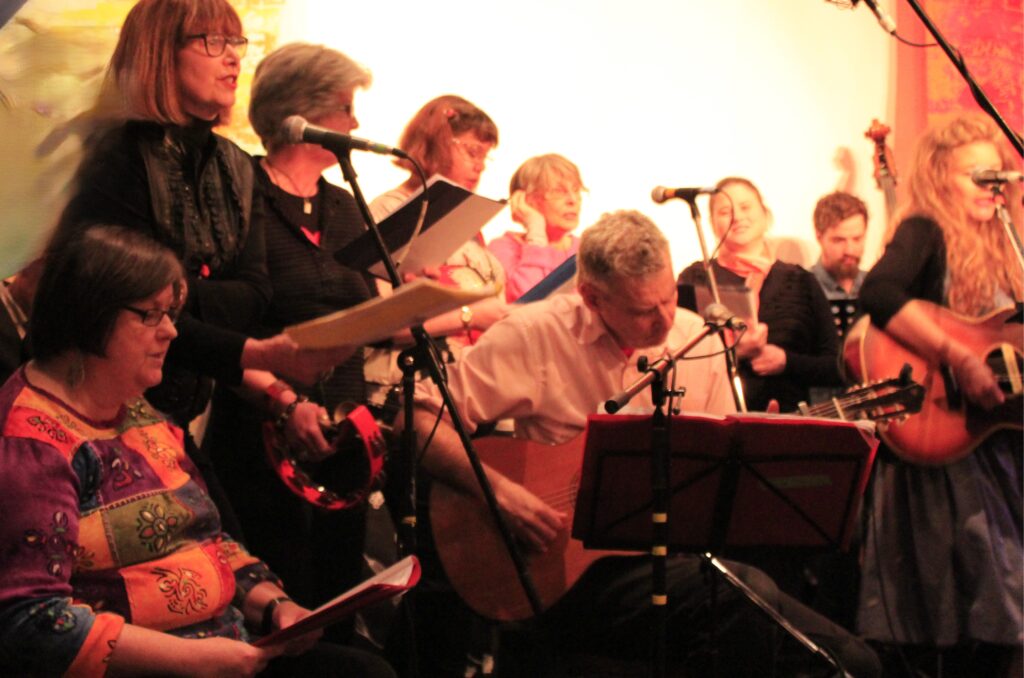
Arts-based inquiry for community and connection
For further information on our research projects, please see here …. (and this will lead to a new page with example projects past and current).
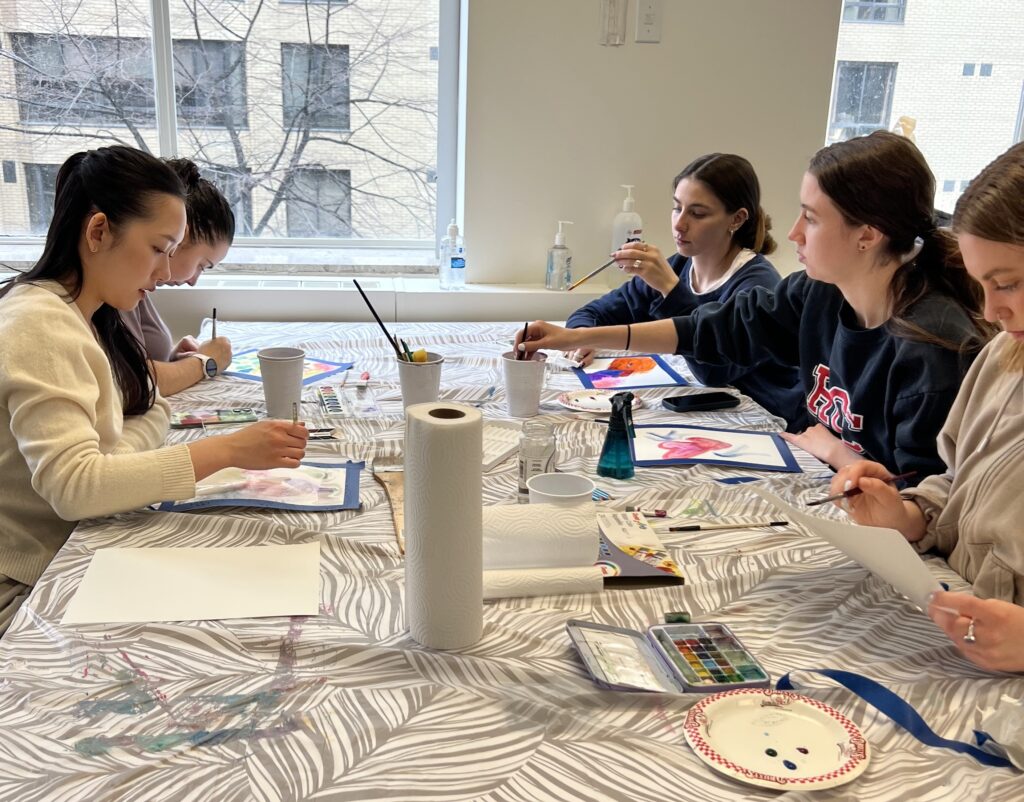
We focus on bringing back the value of play and imagination into the classroom. Our educational strategies emphasize removing fears of perfectionism and failure, building the engagement and capacities of learners, creating a culture of meaningful education, and learning for life (rather than chasing the grade).
The clinical learners of today are the healthcare workers of tomorrow, who need innovative solutions to deal with the challenges they will confront in the healthcare sector. By providing tools to encourage risk-taking in the creative space of the lab/classroom allows students to exercise their capacity for devising solutions outside of the lab and in their future workplaces. It also fosters social relational skills, because we encourage collective creativity, empathy and human interaction.
All schools should be art schools
L. Fornazzeri
Our key focus is holistic engagement through creative occupation. Creative occupation represents a huge need, especially given the multiplicity of contemporary stressors currently experienced in people’s everyday lives. Acknowledgingtheir context, their culture, their environment (social and material), and their identity/ies is central to practice. In the current context related to mental health response (increased level of anxiety and stress). What tools might practitioners use to re-invigorate their work with clients experiencing a range of health conditions?
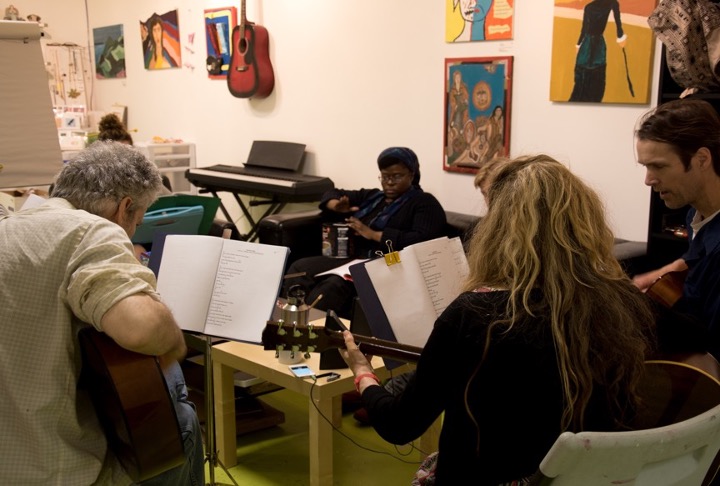
Arts-based tools incorporate a wide range of genres, including visual arts, music, theatre, dance and creative writing. These tools offer strengths-based solutions, capacity- and community-building with clients. Creating together allows people to work through complex issues – a comprehensive process to build well-being, social capital and meaning making. In the hands of appropriately skilled and trained practitioners, these resources can be powerful tools addressing clients’ complex needs. Occupational therapists are uniquely suited to this work because of their focus on facilitating restoration, fulfillment and connection through embodied activity. Arts-based OT provides opportunities for clients to explore their experiences and talents, and in the process, to create more fulfilling identities for themselves and to flourish in new ways.
The World Health Organization’s recent scoping review of arts-based interventions demonstrates their benefits. The arts are
“helping to provide cognitively stimulating activities, they’re providing social support, they are also helping to provide novel experiences and a form of educational and skill development… They help build brain resilience.”
Fancourt et al, xxx.
Clinician wellness: These same tools can be brought to bear to help clinicians deal with the stresses of modern practice and to foster health systems that are more humane, compassionate and uplifting. Arts-informed solution-based practices offer fresh approaches for health system renewal and transformation. We need to provide clinicians with new tools and confidence to be change agents in addressing these complex problems. The interactive nature of arts-based approaches fosters connections, collaborations and community-building that can strengthen and renew morale among practitioners. This also translates into greater wellness for the people they serve. illuminating evidence for the benefit of arts in our everyday lives (Fancourt refs). Daisy Fancourt (2020) notes that This speaks to the heart of creative occupation and how it fosters wellness.
Why arts-based practices now?
The arts as a tool to invogorate our learning, research, practice communities:
We are living at a time of both great opportunity and great crisis. The fabric of our society has become fractured by a number of global trends, events and a pervasive sense of uncertainty – rooted in the pandemic, wars and conflicts, polarization, isolation, social media addiction, economic and housing crises, climate change and the list could go on. This affects all of us. The way we live our everyday lives we are going through a shift from a human-occupational perspective, a shift in how we engage in the world and a shift to AI. We don’t have the opportunity, time or choice to understand how it affects us. Loneliness, marginalization and stigma/inclusion, burnout, how to nurture the next generation; creating welcoming places where we can do the work of combatting exclusion and marginalization.
Imagine bringing play (and joy) back into our studies, our learning, our work, our culture.
We need a way to make sense of it all. We need a way of creating our village. A village where people can come together to co-create knowledge, to share knowledge, to connect, to discover, to learn, to laugh, to cry, to express, to celebrate and to heal. This is our need for agency, individually and collectively, and the arts provide that opportunity by fostering the culture of making.
We have a passion for engaging in the arts in community for a range of reasons – inspiring students, supporting clinicians, and building connections among people. The support of clinicians can include offering them new arts-based training that they can bring to their own practice/s, but also how they can navigate the challenges they encounter themselves with respect to burnout (for example).